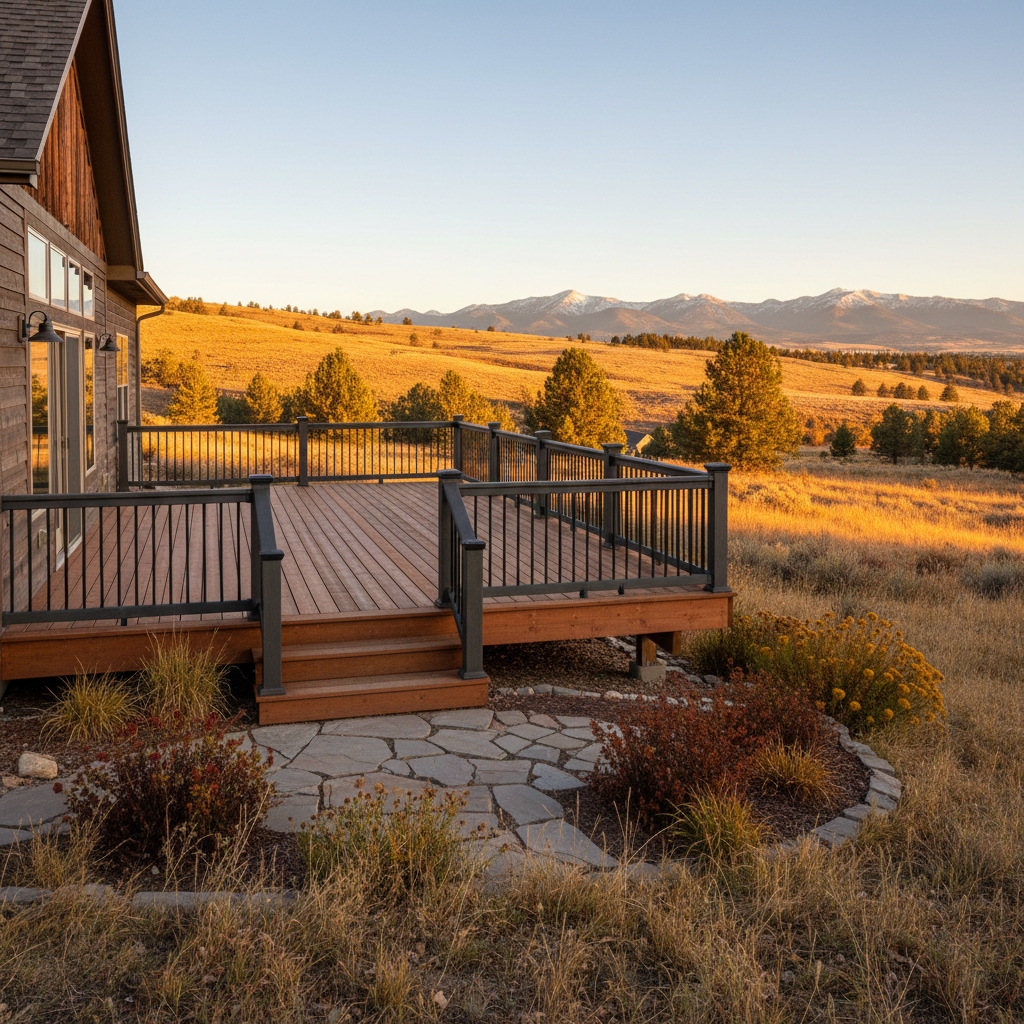
Living around the Heights or out near the West End means you already know how fast our Montana weather can change. One minute you are enjoying a warm afternoon, and the next you are bracing for a heavy spring snow or dry summer heat that bakes everything in sight. If you have got an outdoor living space, you have probably wondered how our local climate actually affects the structure over the course of a full year. Here is what you need to know to keep your investment solid.
Understanding the Local Climate Strain
Our freeze-thaw cycles here are brutal on outdoor builds. When moisture gets trapped in wood grain or around fasteners and then freezes overnight, it expands. That constant pushing and pulling will loosen ledger boards and pop nails right out if things are not built properly from day one. Billings Deck Creations sees firsthand how the extreme temperature swings put stress on every single board and joist.
Smart Scheduling for Construction and Upkeep
Timing matters a lot when you are planning any kind of outdoor construction or major maintenance. Spring gets busy fast, but the ground can stay saturated and muddy while the mountain snowpack melts off. If you want to get ahead of the rush, planning your build or heavy service work for late summer or early fall is usually the smartest move. The ground is dry, the humidity is low, and you will not be fighting unpredictable spring storms.
- Clear off heavy winter snow buildup before it turns to packed ice.
- Check your flashing and ledger connections every autumn.
- Wash away dirt and organic debris so moisture does not trap against the surface.
Protecting Your Investment Year-Round
You do not need to spend every weekend babying your outdoor setup, but a little seasonal attention goes a long way. Fall is the ideal time to clear out the gaps between your boards so autumn leaves do not turn into a soggy mess that holds moisture against the framing. Keeping things clean prevents rot and keeps your family safe when you are hanging out outside. A solid Deck is built to handle our Montana environment, but staying proactive is what makes it last for 15 to 20 years or more in Billings.